Understanding the changing needs of adults with disabilities as they age is important. A recent report predicted that the number of adults with autism and/or intellectual disabilities over the age of 60 will nearly double by 2030, from 641,860 to 1.2 million.
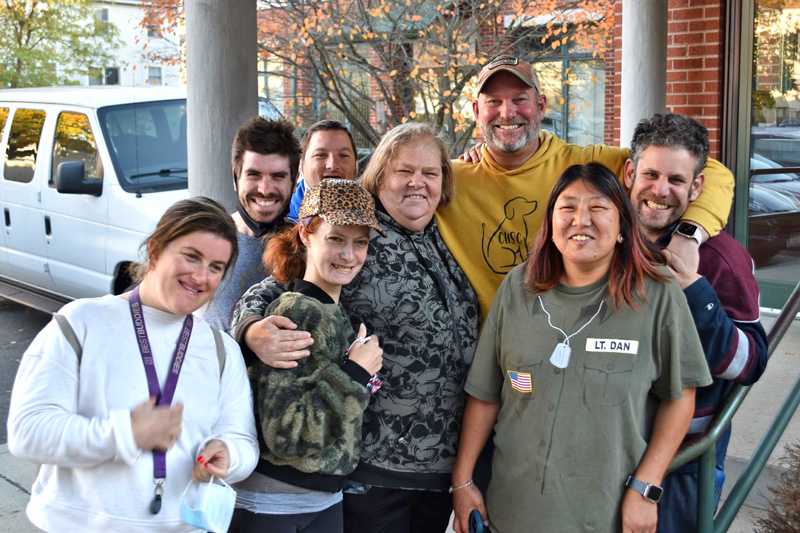
Chapel Haven Schleifer Center is committed to helping adults remain as independent as possible through the lifespan.
At Chapel Haven Schleifer Center, we serve adults from age 18 through the life span, with our oldest adult currently aged 70. The profiles we serve include Intellectual Disabilities, Autism, Down Syndrome, and many other social and developmental disabilities.
Over time, we’ve learned that our findings correlate with national statistics and research that found health disparities are more pronounced among individuals with disabilities. Areas of concern include:
- Depression
- Obesity
- Diabetes
- Heart disease
- Loneliness and lack of social engagement
Some recent diagnoses among the population we serve have included advanced gastrointestinal diseases, late-stage cancers, rare neurological diseases (ALS) and stroke, though studies have not yet suggested this as a common theme nationwide among adults with IDD.
Based on our experience, here are some prevalent health concerns clustered by ages:
20 – 30 years old:
- Obesity
- Poor oral hygiene
- Allergies
- Visual impairments
31 – 40 years old:
- Diabetes
- Mental health challenges (anxiety & depression)
- Nail fungus
41 – 50 years old:
- Hypertension
- High Cholesterol
- Constipation / Bowel concerns
50+ years old:
- Long-term use of psychotropic medications / Side effects
Recommendations for Adults as They Age
How can programs, families and medical providers better prepare for and anticipate these challenges? Here are a few recommended practices:
- Find good doctors who have experience with this population and who can serve as a guiding force to coordinate care. Having all providers in the loop about prescribed medicines and courses of treatment is vital to optimal health.
- Play a role in care coordination – it’s important that an adult with a disability has a support system in place to help coordinate care among various specialists, from prescribers, occupational therapists and registered nurses to personal trainers or aides who may be working with the individual on a regular basis.
- Provide continued 1:1 support for the individual, to be sure hygiene routines continue to be followed (such as teeth brushing, bathing, etc.). Regular dental visits are important for cleanings and to anticipate if dentures or other measures are going to be needed.
- Be sure the individual is still receiving regular medical screenings such as mammograms, cancer screenings, hearing and vision testing, bone density, swallowing and dysphasia testing, dementia screening, etc. Having a trusted staff person or family member present at an individual’s medical appointments can help with care coordination.
- Make sure the individual has the opportunity for regular exercise and access to a healthy diet. Personal trainers or gym memberships can ensure that the individual has an outlet for physical fitness.
- Social engagement is vital. Having a calendar with opportunities to socialize with appropriate peers can go a long way in curbing chronic loneliness.
- And start early to put a transition plan in place. Getting to know care providers in advance, such as home health aids, can ease the transition as an individual requires a greater level of medical care and oversight. Knowing who in the family system will serve as a guardian or take responsibility to help an individual with a disability can help alleviate chaos and anxiety for all.
Chapel Haven and CATCH
While Chapel Haven Schleifer Center has served hundreds of adults since our founding in 1972, we recognize that nationally, most adults with disabilities in the U.S. are still living at home or with relatives.
A 2023 study found that of 1.3 million people with autism or intellectual disabilities, many adults live with family caregivers and receive no formal services or support.
Credit is due to the caring families who have worked hard to create a life for their sons, daughters or siblings. But circumstances change, parents become elderly or pass away, and the need for an independent and self-determined life becomes ever more urgent.
To address this growing population, CHSC has founded a new program called CATCH – Connecting Adults to Chapel Haven – to serve middle-aged and older adults who are not yet a part of the CHSC community. The goal of the program is to help these adults spend time on our residential campus, learn our model of independent living, and settle long-term into our lifelong program.
What is CATCH?
CATCH begins as a one-year residential, tuition-based program, in which eligible adults live in an apartment on campus, enjoying staff oversight while learning – or brushing up on – independent living skills. Following the completion of one year in residence, CHSC staff will help the CATCH adult plan next steps, including moving into CHSC’s supported living community with or without a roommate, or pursuing other CHSC residential options, such as SAIL.
During the one-year residential stay, CATCH adults have:
- A structured daily schedule that includes classes, wellness programming, weekend recreation trips, access to 24-hour staff help and benefits counseling.
- Access to up to 10 hours per week of one-to-one time with a CHSC support coordinator to assist with managing tasks such as following a weekly budget; banking; simple cooking; learning to use public transportation; managing a schedule; making friends; and accessing community resources.
- CATCH participants may pursue employment development opportunities with the aid of their support staff or by coordinating with the Career Ability team.
- CATCH adults also may select classes of interest from CHSC’s continuing education curriculum.
- CATCH adults may join our Community Life Program (CLP) part-time, a structured, community-focused day program. Chapel Haven’s CLP provides participants with opportunities to explore, interact and volunteer in the Greater New Haven community.
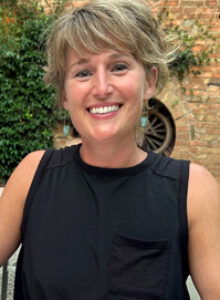
Christy Chandler is Senior VP of Admissions and Communications at Chapel Haven Schleifer Center. For more information, contact Christy at cchandler@chapelhaven.org.
References
https://pubmed.ncbi.nlm.nih.gov/23790992/
https://link.springer.com/article/10.1186/s12889-024-19690-5?utm_source=chatgpt.com
https://sph.brown.edu/news/2025-08-21/disabled-adults-loneliness?utm_source=chatgpt.com