
Loneliness is a challenge many seniors face, but for autistic seniors, it can manifest differently and have unique consequences. Understanding these nuances is key to providing effective support and improving quality of life.
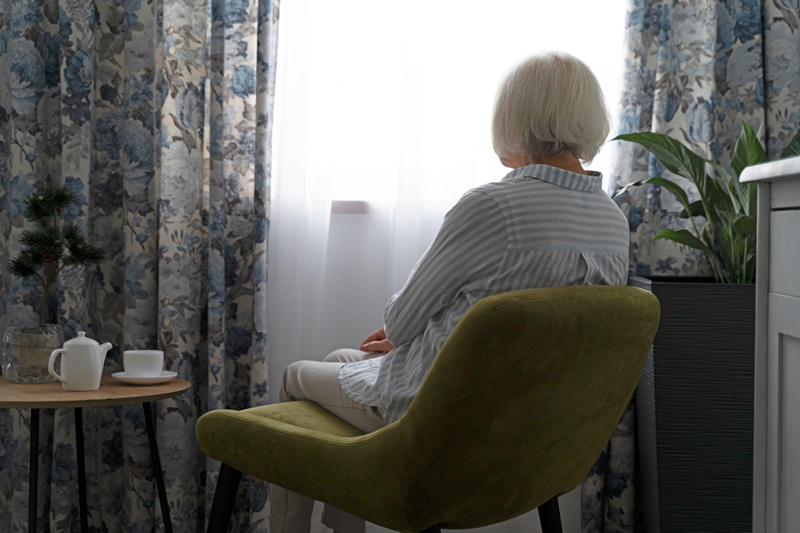
Loneliness in Autistic Seniors
Autistic individuals often experience social interactions differently from neurotypical peers. For seniors on the spectrum, the social networks they relied on earlier in life may shrink due to retirement, health issues, or the loss of loved ones. This can increase isolation, particularly if they rely on structured routines and familiar environments.
Loneliness in autistic seniors isn’t always visible. While some may openly express sadness or frustration, others might appear content but quietly struggle with disconnection. Sensory sensitivities or communication differences can make traditional social activities overwhelming, further limiting engagement.
Signs That Loneliness May Be Affecting an Autistic Senior
Recognizing loneliness in autistic seniors may require looking beyond typical signs:
- Withdrawal from Preferred Activities: A senior may stop engaging in hobbies or routines they once enjoyed, especially if those activities involve social interaction.
- Changes in Routine or Behavior: Unexpected shifts in sleep, eating habits, or daily structure can indicate emotional stress.
- Increased Anxiety or Irritability: Heightened stress, agitation, or overreaction may signal that social needs are unmet.
- Difficulty Communicating Needs: Autistic seniors may struggle to articulate feelings of loneliness directly, instead showing it through subtle behavioral cues.
- Reliance on Familiar Environments: While seeking comfort in routines is common, rigidly avoiding new experiences may indicate fear of social judgment or anxiety.
Practical Ways to Support Autistic Seniors
Regular socialization, even in small or structured ways, can play a key role in preventing loneliness and supporting emotional well-being for autistic seniors. Providing opportunities for connection that respect their routines, and sensory preferences can make a meaningful difference.
- Maintain Consistent Social Contact: Regular phone calls, video chats, or socially distanced visits provide stability and reassurance. Even brief interactions can reduce feelings of isolation.
- Offer Structured Opportunities for Engagement: Activities that follow clear routines, like weekly group games or online interest-based clubs, can make socializing less stressful.
- Respect Sensory Needs: Loud, crowded, or unfamiliar environments can be overwhelming. Providing quiet spaces or controlled sensory experiences encourages participation without stress.
- Encourage Purposeful Connections: Volunteering, mentoring, or contributing to projects aligned with personal interests can foster meaningful engagement.
- Use Communication Tools: Visual supports like visual schedules, written instructions, or digital platforms may help seniors express their needs and connect with others.
Encouraging Autonomy While Reducing Isolation
It’s important to balance support with respect for autonomy. Encourage seniors to make choices about their social interactions and activities. Ask their preferences, listen to feedback, and collaborate on solutions. Even small acts of agency—choosing a group activity, scheduling a call, or exploring a hobby—can significantly improve emotional well-being.
Promoting Positivity and Support: What Helps Today
Loneliness in autistic seniors is often overlooked, yet it can profoundly affect mental and physical health. By recognizing subtle signs and providing tailored support, caregivers, family members, and community programs can help autistic seniors maintain meaningful connections, preserve routines, and live fulfilling lives.
Supporting autistic seniors is not just about preventing loneliness, it’s about honoring their unique ways of experiencing the world while ensuring they feel seen, valued, and connected.

Haley Johannpeter is Director of Community Sales and Marketing at Heisinger Bluffs.



I bet it is frustrating when you are alone and can’t communicate well and get your needs met. It’s hard enough being lonely and being Neurotypical, they have similar problems but also differences. The fear of social judgement is understandable, the world is sometimes not so kind in that respect. Some already know that from early on in their life that puts them there. It is good that some people do think about Autistic seniors especially those who support them. They are valued too.