Today in the United States, the government has renewed its focus on autism, and on the increasing number of individuals diagnosed with it. Many professionals who have devoted their lives to autism science and advocacy rightly have deep concerns about false promises and misleading analyses recently amplified by political leaders. Quick, unfounded claims—whether about medications, cures, or causes—risk causing more harm than good for families and individuals living with autism.
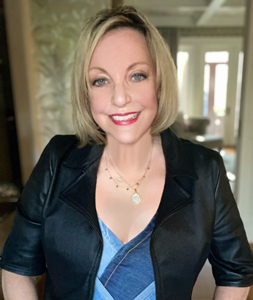
Linda J. Walder
For example, allegations that acetaminophen (Tylenol) taken during pregnancy as a major cause of autism are based on weak, inconsistent evidence. Large-scale studies show that while correlations exist, they vanish once genetic and environmental confounding factors are considered. In fact, untreated fever during pregnancy has well-documented risks such as neural tube defects, preterm birth, and developmental complications. To oversimplify such a complex condition by pointing to a single over-the-counter medicine is scientifically irresponsible.
Similarly, suggestions that Leucovorin (a form of folinic acid) may “cure” or significantly improve autism are premature. Small studies have shown modest improvements in select subgroups, but there is no definitive evidence to recommend it as a broad treatment. Autism is a neurodevelopmental spectrum, shaped by a wide array of genetic and environmental factors. To reduce it to one cause—or promise one cure—ignores the diversity of autistic experiences and undermines meaningful progress.
A Common-Sense Path for Research
Autism research, in my view as a citizen, should prioritize areas that have not been exhaustively studied but plausibly impact neurodevelopment:
- Plastics and Environmental Exposures: Babies and young children are uniquely vulnerable to endocrine-disrupting chemicals found in plastics, diapers, and formula packaging. Microplastics and phthalates are increasingly detected in human tissue, yet their long-term neurological impacts remain poorly understood.
- Medication Use in Infancy and Early Childhood: Millions of infants receive repeated doses of acetaminophen and other common medications, yet systematic, long-term studies on subtle neurodevelopmental effects are lacking.
- Gene–Environment Interactions: Autism has a strong genetic basis, but environmental factors may influence gene expression through epigenetic changes. Understanding these mechanisms could unlock targeted prevention or treatment strategies.
- Innovative Supports and Lifespan Approaches: Research should not only chase elusive cures but also invest in technologies, therapies, and supports that improve daily life, independence, and opportunities for autistic individuals across adulthood.
Our Role, Advocacy Rooted in Respect:
For 23 years, The Daniel Jordan Fiddle Foundation, named in honor of my son Danny, has led efforts to advance the quality of life and opportunities for adults with autism. My more than 30 years of daily engagement with the autism community has taught me that progress is never achieved by clinging to false promises. Instead, it comes from listening to autistic voices, investing in innovation, and demanding rigorous science.
Let us be clear:
- Autism is not caused by a single drug, and it will not be “cured” by a single pill.
- Research dollars must go toward real science, not sensational headlines.
- We must push for studies that explore underexamined risks (like plastics and chronic exposures) and creative solutions that empower autistic individuals.
Call to Action
It is time for a new era of autism research and innovation—one that seeks not only to understand causes but also to build better futures. Every dollar invested should honor the reality that autistic individuals are valuable, capable, and integral members of our society.
That is where I—and The Daniel Jordan Fiddle Foundation—come in: ready, enthusiastic, and committed to partnering with innovators, policymakers, and advocates to ensure science serves the people it is meant to support.
Let’s put resources where they matter most: into innovation, research, and above all, the lives and futures of the millions of deserving individuals diagnosed with autism, whom are, and always will be, members of our shared society.
The information, opinions, and views presented in Autism Spectrum News (ASN) reflect the views of the authors and contributors of the articles and not of ASN, the ASN Editorial Board, or its publisher Mental Health News Education. To view the full ASN Disclaimer of Endorsement and Liability, click here
Linda J. Walder is the Founder and CEO of The Daniel Jordan Fiddle Foundation and is a founding member of the Autism Spectrum News Editorial Board