Play isn’t just fun—it’s a vital part of development for autistic children. It helps build social skills, creativity, problem-solving, and emotional regulation. Leisure time, whether it’s reading, art, or sensory activities, provides opportunities for relaxation, exploration, and independence.
However, the home environment plays a big role in whether children feel motivated and supported to engage in play. A space that’s cluttered, overstimulating, or lacks engaging materials can make play feel stressful or unappealing.
Creating a home that encourages play and leisure is about designing spaces that feel safe, engaging, and tailored to your child’s interests and sensory needs.
Design Spaces with Sensory Needs in Mind
Autistic children often have unique sensory preferences. Some may seek stimulation, while others may feel easily overwhelmed. Designing spaces with these needs in mind can encourage participation in play and leisure:
- Quiet Corners: A small, cozy area with soft cushions, blankets, or a tent can provide a calming retreat.
- Sensory-Friendly Materials: Incorporate items like weighted blankets, fidget toys, or tactile materials such as sand, water, or clay.
- Lighting Considerations: Soft, natural lighting is often more comfortable than harsh fluorescent lights. Adjustable lamps or string lights can add warmth.
- Noise Control: Noise-canceling headphones, rugs, or soundproofing materials can reduce unwanted noise and help your child focus on play.
By tailoring spaces to sensory needs, children are more likely to engage in activities without feeling overwhelmed.
Organize Play Materials Thoughtfully
Accessible, well-organized materials encourage children to initiate play independently:
- Open Storage: Clear bins or labeled containers make it easy for children to find toys, art supplies, or games.
- Rotate Toys: Keep some items out of reach and rotate them periodically to maintain interest.
- Create Activity Zones: Designate areas for different types of play—art, building, sensory, or imaginative activities.
- Use Visual Supports: Pictures or charts showing where items belong can help children stay organized and reduce frustration.
A well-organized home makes play less stressful and more inviting, helping children explore freely and confidently.
Balance Structured and Unstructured Play
Both structured and unstructured play are important:
- Structured Play: Activities with clear rules or goals, like board games, puzzles, or guided art projects, help build focus, problem-solving, and cooperation.
- Unstructured Play: Free play, imaginative play, or sensory activities allow children to explore creativity, independence, and personal interests.
Having a mix of both ensures that playtime is both educational and enjoyable. It also gives children opportunities to practice skills in predictable ways while also exploring their own interests.
Encourage Leisure and Relaxation
Leisure activities support mental and emotional well-being, providing time to recharge and reduce stress. Examples include:
- Quiet Activities: Reading, coloring, drawing, or building with blocks can be calming and engaging.
- Music or Movement: Dancing, playing instruments, or listening to favorite songs can provide sensory input and joy.
- Technology and Apps: Interactive apps, educational games, or video creation can support creativity and skill development in a controlled way.
- Nature Access: Spending time outside in a backyard, garden, or balcony encourages exploration, movement, and sensory engagement.
By integrating leisure into daily routines, children can enjoy downtime that is both relaxing and developmentally beneficial.
Foster Independence Through Play
Creating a home environment that encourages play isn’t just about physical space, it’s also about supporting independence:
- Offer Choices: Let children choose activities or materials. This builds autonomy and decision-making skills.
- Set Clear Expectations: Use simple visual schedules or timers to indicate playtime or transitions.
- Celebrate Small Wins: Praise efforts and achievements during play, even if the activity is short or simple.
When children feel empowered to make choices and explore independently, play and leisure become more meaningful and enjoyable.
Make Play Socially Rewarding
While independent play is important, social interaction during play can help develop communication and relationship skills:
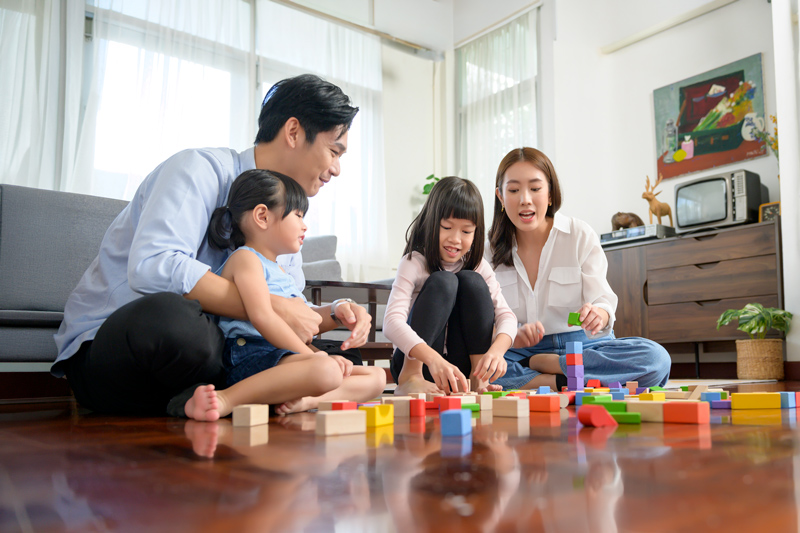
- Playdates or Family Play: Structured games, collaborative art, or interactive storytelling can encourage turn-taking, cooperation, and social bonding.
- Include Siblings: Pairing activities with siblings or peers provide natural opportunities for interaction while supporting family connections.
- Use Animals: If you have pets or access to therapy animals, incorporating them into play can foster empathy, joy, and social engagement.
Socially rewarding play doesn’t have to be complicated, it’s about creating opportunities for connection in ways that feel safe and enjoyable for your child.
Practical Tips for Parents
Here are some actionable ways to create a play-friendly home:
- Start Small: Focus on one room or area and gradually expand to other spaces.
- Observe Your Child: Notice what they enjoy and what sensory inputs help or hinder engagement.
- Create Routine: Predictable play routines can reduce anxiety and increase participation.
- Involve Your Child in Setup: Letting them help organize toys or design spaces gives ownership and investment.
- Stay Flexible: Some days may be more challenging. Adjust expectations and allow for downtime when needed.
Making Home a Place for Fun and Growth
A home that encourages play and leisure supports both joy and development for autistic children. By considering sensory needs, organizing materials thoughtfully, balancing structured and unstructured play, and fostering independence and social connection, families can create environments where children feel confident, engaged, and happy.
When play is easy to access, comfortable, and meaningful, it becomes a natural part of daily life. Leisure time transforms into an opportunity for growth, creativity, and connection—not just a break from routine.
With small, intentional adjustments, your home can become a space where autistic children look forward to play, exploration, and relaxation every day.

Ari Ginzy is the Founder and CEO of Wonder Star ABA.