For individuals on the autism spectrum, recreational activities can sometimes feel overwhelming or stressful. Loud noises, crowded spaces, or unfamiliar social interactions can make participation challenging. This is where animals can make a big difference.
Animals provide a comforting, non-judgmental presence. Their predictable behavior, gentle companionship, and simple cues can make people feel safe and motivated to join in activities. Whether it’s a therapy dog visiting a summer program or a horse in a riding lesson, animals help recreational experiences feel more welcoming, enjoyable, and accessible.
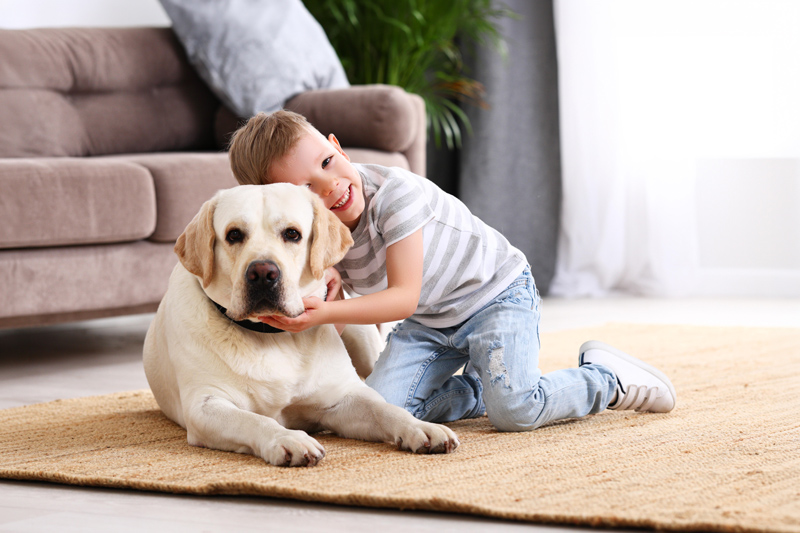
Even casual interactions with pets—like brushing a rabbit, playing fetch with a dog, or watching fish swim—can turn ordinary activities into meaningful moments that bring joy and engagement.
Emotional Benefits: Feeling Calm and Confident
One of the biggest benefits of animals in recreation is emotional support. Interacting with pets or therapy animals can reduce stress, anxiety, and feelings of frustration. Stroking a dog, holding a guinea pig, or being near a horse can trigger the release of endorphins and oxytocin—chemicals that help people feel calm and happy.
For children and teens on the autism spectrum, animals offer unconditional acceptance. This can help boost confidence, support emotional regulation, and provide comfort in situations that might otherwise be overwhelming.
Adults on the spectrum also benefit from animal interactions. A calm presence, like a therapy dog during a community program, can make group activities less stressful and help participants focus on the experience rather than anxiety.
Encouraging Movement and Participation
Animals don’t just help emotionally—they motivate physical activity, too. Activities like walking a dog, grooming a horse, or playing interactive games with pets naturally encourage movement.
For children, these activities develop coordination, fine motor skills, and energy management. Teenagers and adults may also find that animals give them a reason to try new recreational activities or participate in group sessions they might usually avoid.
Even simple interactions, like feeding a fish or helping care for a small pet, can build routines, focus, and responsibility—skills that carry over into everyday life.
Building Social Connections
Animals act as natural bridges for social interaction. For individuals on the autism spectrum, starting conversations or joining group activities can sometimes be intimidating. Animals make it easier.
For example, a therapy dog at a recreational program can spark conversation and create shared experiences. Children might take turns helping the dog, share stories about pets at home, or work together during activities involving the animal. Adults may find common ground in caring for an animal, building friendships, or simply enjoying shared moments of calm.
Animals can also support cooperative skills and empathy. Learning to care for a pet or participate in a group activity involving animals teaches patience, understanding, and teamwork in a low-pressure, enjoyable way.
Structured Therapy vs. Casual Pet Interaction
Not all animal interactions are the same, and both structured and casual approaches have value:
- Structured Pet Therapy: Trained therapy animals and certified handlers guide sessions with specific goals, such as improving social skills, reducing anxiety, or encouraging participation in group activities. These programs are designed to provide measurable benefits while keeping participants safe and comfortable.
- Casual Animal Interaction: Even informal encounters—like playing with a classroom rabbit or meeting a community dog—offer meaningful benefits. They can make activities more enjoyable, reduce stress, and spark interest in other recreational experiences.
Both types of interaction can enhance recreational activities for individuals on the autism spectrum, making participation more engaging, rewarding, and fun.
Real-Life Examples
- Children in Summer Camps: Therapy dogs visiting camp sessions often help children feel more relaxed and confident. A shy child may be encouraged to participate in group games if a friendly dog is nearby, creating opportunities for social engagement and skill-building.
- Equine Therapy Programs: Horseback riding programs can help children and teens improve balance, focus, and emotional regulation. The bond with the horse provides motivation and a sense of achievement, making recreational sessions more meaningful.
- After-School Programs: Small classroom pets like rabbits, guinea pigs, or fish can help children learn responsibility, patience, and empathy. They also offer calming moments during busy schedules, helping participants reset and engage more fully in other activities.
- Community Events: Adults on the spectrum may attend workshops or group programs featuring therapy animals. These animals offer a supportive presence, helping participants relax, enjoy the activity, and connect with peers in ways that feel natural and pressure-free.
Tips for Including Animals in Recreational Programs
If you’re organizing recreational activities for individuals on the autism spectrum, here are some tips for including animals safely and effectively:
- Prioritize Safety: Ensure all animals are well-trained, healthy, and comfortable in group settings. Consider allergies or fears among participants.
- Work with Certified Handlers: For therapy animals, use trained professionals to guide interactions and ensure clear goals for the session.
- Offer Optional Participation: Not everyone may feel comfortable around animals. Participation should always be voluntary.
- Try Different Animals: While dogs and cats are common, smaller animals like rabbits, guinea pigs, or even birds can provide calm and engaging experiences.
- Teach Respect and Care: Include education about how to handle and care for animals. This builds empathy and makes interactions more meaningful.
The Joy Animals Bring to Life
Animals have a special way of making recreational activities more enjoyable, engaging, and supportive for individuals on the autism spectrum. They provide comfort when activities feel overwhelming, motivate participation, and make social interactions easier.
Children, teens, and adults alike can benefit from the presence of animals. A therapy dog might help a child feel confident in a group game. A horse may inspire a teen to try a new skill. Even casual interactions with pets offer moments of calm, joy, and connection.
In the end, animals turn ordinary recreational activities into memorable experiences. They create moments of happiness, learning, and growth—making recreation not just fun, but meaningful and empowering for everyone involved.
Mordy Rosenberg is Director of Operations at Blue Jay ABA.