This article explores masking in autism, defined as the practice of suppressing autistic traits to conform to societal expectations. Specifically, it examines how stigma reinforces masking, oftentimes leading to emotional exhaustion and complex mental health struggles. To challenge stigma, this review attempts to encourage discussion of strategies to include embracing self-acceptance, fostering inclusive environments, and educating others about autism. The article concludes with a call to action for both those impacted by autism and allies to support unmasking and create a more accepting society.
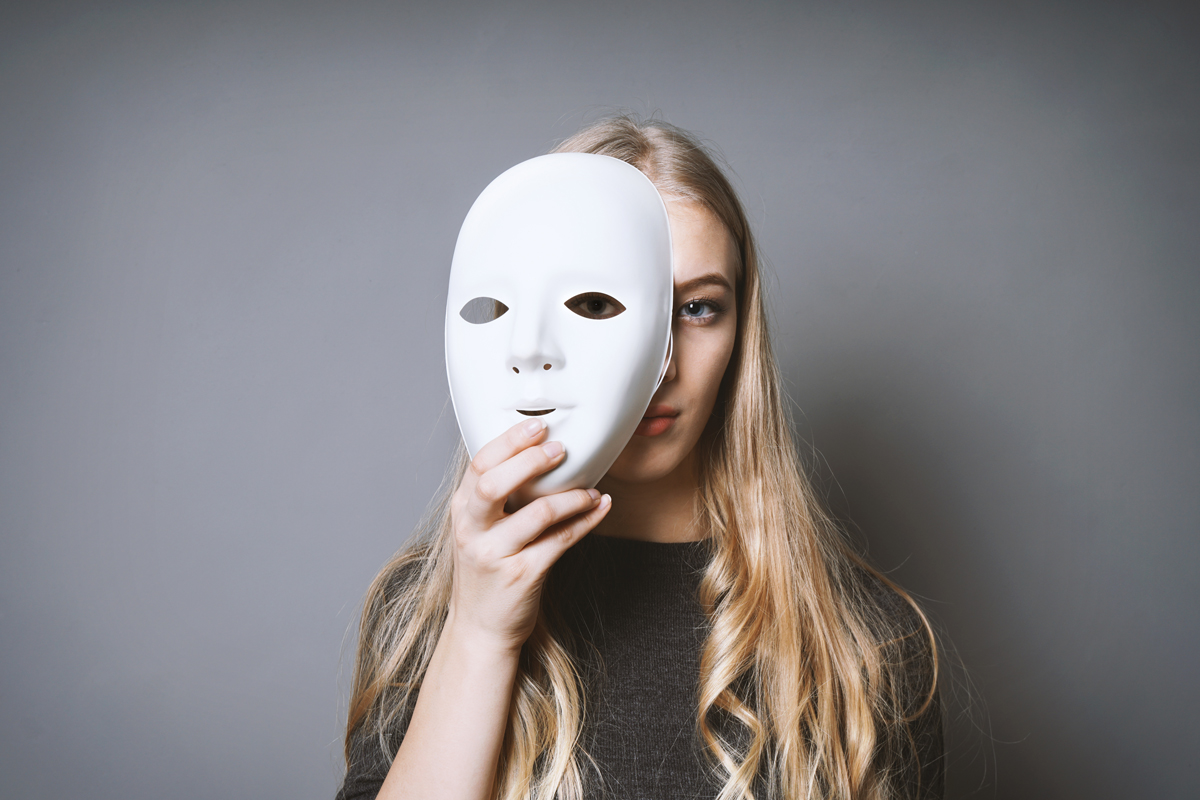
What is Masking?
Masking occurs when an autistic individual suppresses their behaviors/responses so that they can fit into neurotypical society. Individuals who are particularly self-aware may mask by forcing themselves to be in uncomfortable social situations while ignoring their anxiety and refraining from using self-regulatory (stimming) behaviors. Those impacted by autism tend to rely on “scripting,”—which transpires when they rehearse lines previously heard or learned from media, including books, television, or other sources, to navigate conversations. This can help in familiar settings; however, when conversation strays from familiar scripts, their anxiety worsens.
One of the main reasons autistic individuals mask is due to fear of judgment or as a means to remain unnoticed in a group setting. Most people assume that autistic individuals lack social awareness, but many are hyper-aware of others. They may struggle with eye contact themselves, but they are aware of other’s eye contact, body language, and perceived social expectations. They may also feel heightened pressure to know how to appropriately respond to other people’s nonverbal gestures or subtle social nuances, which can lead to overthinking and increased masking. For many, masking is a way to self-protect their identity. Unfortunately, some autistic individuals have prior experiences such as bullying, negative attitudes, or judgement from others, which leads them to mask.
Masking can have serious long-term effects on self-esteem and mental health. Some people mask in public and at home, leaving very few opportunities where they feel safe to be themselves. When a person suppresses self-regulating behaviors like stimming – which are meant to mitigate discomfort – it can lead to a buildup of anxiety. Over time, it can further propagate feelings of shame where they feel they are “weird” for being different. Without understanding their behaviors in the context of autism, they may internalize negative beliefs about themselves. This can contribute to ‘autistic burnout,’ a state of exhaustion, depression, and anxiety resulting from prolonged masking and lack of social and environmental support.
The Role of Stigma in Reinforcing Masking
Autism myth: “Autistic individuals are socially disinterested or prefer isolation.”
Truth: Autistic individuals have fulfilling friendships, romantic relationships, and enjoy social connection.
Stigma tends to discourage self-acceptance by reinforcing narrow, outdated stereotypes and overlooking the wide variability those with autism tend to present with. While diagnostic criteria are useful, public perception often focuses on the most visible or severe traits, leading many to believe autistic people can’t live independently, hold jobs, or maintain relationships. This can lower self-esteem and increase masking as individuals feel pressure to hide their differences rather than embrace their unique traits. Autism presents differently in each person, and being aware of this can help reduce stigma, allowing the variety of personalities to be welcomed by all.
Strategies for Unmasking And Embracing Authenticity
Unmasking autism is a process of raising awareness and advocating for autistic individuals to create a comfortable environment in both education and career. The ultimate goal is to promote well-being and authenticity to all autistic individuals. Accommodations can serve as an aid in managing anxiety and discomfort in a way that still promotes inclusivity. Children with autism tend to experience sensory overload in school, and accommodations such as sensory-friendly spaces where they can retreat when overwhelmed by sensory stimuli can help reduce discomfort. These spaces should be equipped with calming elements like dim lighting and noise-canceling headphones. Additionally, some autistic individuals struggle with transitions. Structured routines and clear visual schedules can bring a sense of predictability and security. Some autistic individuals struggle with deciphering social cues, and social stories or role-playing activities can be beneficial in helping them understand social cues and expectations, thereby reducing anxiety in social interactions.
Autism support should not just be provided to children, and it is important to continue offering support throughout adulthood. In the workplace, accommodations should focus on creating a supportive and understanding environment. Flexible work arrangements, such as remote work or adjustable hours, can help autistic employees work in their most productive times and in comfortable settings. Clear communication is vital, and accommodations like providing written instructions and giving feedback can help reduce miscommunication. Some places may benefit from offering sensitivity training to colleagues, which can help promote awareness and understanding of autism while also fostering a more inclusive culture. By implementing these accommodations, both in schools and workplaces, autistic individuals can be in a safe and nurturing environment where they feel accepted and empowered to be themselves, reducing the need to mask.
Therapy with a neurodivergent affirming therapist is another support avenue for individuals diagnosed with autism. A provider who is familiar with autism spectrum can provide tailored interventions that address each person’s unique challenges while promoting their strengths – akin to therapy for any neurotypical person. Treatment may look like supporting an individual with social and communication skills. This can help individuals with autism improve their ability to express themselves, understand social cues, and engage more effectively in interactions with others to help increase confidence and provide a greater sense of belonging in social settings. Therapy should also include family members who can help understand neurodiversity and adjust neurotypical expectations, which can be damaging.
Any treatment intervention should ultimately provide a supportive space for individuals with autism to explore their personal goals and challenges in a non-judgmental environment. Therapists work collaboratively with their clients to foster greater independence and self-advocacy. While children typically have teachers and family members who advocate for them, many adults may not have the same support. Therapy can empower autistic individuals to feel comfortable with their identity and embrace who they are without the experiences of shame, guilt, or apology.
Conclusion
While there have been improvements through the years, there remains a continued need to challenge stereotypes while highlighting the true variability of the autism spectrum – ultimately advocating for a more accepting society. An increased number of autistic individuals are embracing their identity, and we can continue to serve as allies to support unmasking. Every step towards authenticity matters!


Sheila Simchon, LSP, LCSW, QS, is Licensed School Psychologist, Licensed Clinical Social Worker, and Testing Director at Caring Therapists of Broward and Palm Beach. Alyssa Kerigan, PsyD, is Licensed Psychologist at Caring Therapists of Palm Beach.