Reports of Medicaid fraud are deeply troubling, and those responsible should be prosecuted. But fraud has become the justification for policies that make it harder for families to access the medical care and supports they depend on. Our government has the tools to investigate fraud without placing additional burdens on people with disabilities and their caregivers.

Recent reports of fraud and abuse in several states are disturbing, especially because they are making it even harder for families to access the help they desperately need to care for their autistic children and adults at home. Of course, anyone defrauding Medicaid and exploiting individuals with developmental disabilities should be held accountable. However, the response to these cases should not unfairly impact families who legitimately depend on these services every day.
I write from lived experience as the father of a nonspeaking adult whose group home is funded almost entirely by Medicaid.
My son, Tariq, now 46 years old, has been in residential care since he was 9. He needed round-the-clock care because he did not understand danger, did not sleep safely through the night, and was a constant risk of wandering.
One night, he climbed down the fire escape of our apartment while everyone was asleep. Fortunately, I found him at the playground next to the nearby train tracks, playing joyfully on the swings.
Going through due process with the school district to get a residential placement was an excruciating experience. I finally found peace and acceptance knowing that my child was safe. A few years later, an autistic boy in our neighborhood died after wandering onto those same train tracks at night. That tragedy reinforced the fear I lived with every day when my son was still at home. Today, my son’s services are funded by Medicaid. Protecting those services is not simply a policy issue for my family. It is a matter of safety and quality of life.
To understand why this matters, it is important to understand what Medicaid makes possible. Home and Community-Based Services (HCBS) allow individuals with disabilities and chronic health conditions to receive long-term care and support in their homes and communities instead of nursing homes or other institutional settings. These Medicaid waivers have never been easy to obtain, and waiting lists in many states are already years long.
As states implement changes following H.R. 1, many families are worried about what comes next. Autism Society of America affiliates across the country are reporting that some families are already being required to reapply for waiver services without clear information about the criteria or process. For families already navigating a complicated system, uncertainty alone can be overwhelming.
We should absolutely investigate fraud, strengthen oversight, and hold bad actors accountable. Protecting taxpayer dollars and protecting people with disabilities are not competing goals. We can and must do both.
The true measure of our Medicaid system is not only how effectively it identifies fraud, but whether it continues to protect the children and adults whose lives depend on it. Families like mine should not have to fear losing the services that keep our loved ones safe because of the actions of those who abuse the system.
The Autism Society of America believes every autistic person deserves access to the supports they need, when they need them, in ways that respect their rights, dignity, and autonomy. As policymakers continue efforts to strengthen Medicaid, they must ensure that legitimate beneficiaries are protected and that essential services remain available to those who depend on them every day.
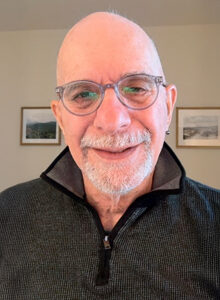
Robert Naseef, PhD, is a clinical psychologist, author, and parent of an adult son with autism. He is the co-facilitator of a fathers’ support group at Montclair University. He serves on the Panel of Professional Advisors of the Autism Society of America and blogs regularly at alternativechoices.com.