Devereux is known for its 112-year history of providing compassionate, evidence-based clinical care and treatment of neurodiverse individuals. The nonprofit is equally committed to fostering a welcoming workplace environment for its employees, many of whom are also neurodivergent.

One way Devereux demonstrates its culture of belonging is through the organization’s Neurodiversity Employee Resource Group (ERG), which supports the needs and interests of neurodivergent members of the Devereux community and provides a safe space where everyone feels heard, supported, and celebrated for their unique gifts and skill sets.
Note: The authors of this article are co-chairs of Devereux’s Neurodiversity ERG who have lived experiences themselves.
Defining “Neurodiversity”
The term “neurodiversity” refers to individuals whose neurological development and functioning deviate from what is considered typical or neurotypical.
Neurodiversity encompasses a wide range of variations and conditions in brain function, including, but not limited to, autism, attention-deficit/hyperactivity disorder (ADHD), intellectual disabilities, dyslexia, dyspraxia, Tourette syndrome, etc. People who are neurodivergent may experience differences in cognitive, sensory, social, and emotional processing compared to those who are neurotypical.
“Neurodiversity describes the idea that people experience and interact with the world around them in many different ways; there is no one ‘right’ way of thinking, learning, and behaving, and differences are not viewed as deficits (Frueh, Baumer, 2021).”1
The term neurodiversity is used to recognize and embrace the diversity of neurological differences and promote understanding and acceptance of individuals with these differences rather than stigmatizing them. Neurodiversity is not a clinical or diagnostic term but rather a social movement that embraces inclusivity.
Neurodiversity in the Workplace
Often, it is overlooked that children with autism and/or ADHD grow up to become adults with autism and/or ADHD rather than outgrowing these conditions. These neurodiverse adults are part of the workforce, and many are even drawn to work in the behavioral healthcare field.
In numerous cases, neurodivergent individuals struggle to secure and maintain employment (Dunne, 2023).2 And those who are employed are often pressured to “mask” (hide in plain sight) to fit into workplace culture.
The long-term toll on neurodivergent individuals can be complex, serious, and traumatic if they do not have a work environment where they are accepted and celebrated for their strengths and talents. Shame and isolation also may contribute to the mental health burden. Neurodivergent individuals face an elevated risk of suicide, with increasing risk among women, individuals with higher IQs, and those with combined diagnoses (Lucas et al., 2023)3 (Kõlves, Fitzgerald, Nordentoft, Wood, & Erlangsen, 2021)4 (Luterman, 2019)5 (Sarris, 2022).6
Community and validation are the first steps in breaking this cycle, bringing neurodivergent individuals together to form a collective voice that educates, raises awareness, and reshapes how workplaces view and value neurodivergent employees.
Enter the ERG …
Devereux’s Neurodiversity ERG
Like many businesses and organizations, Devereux’s ERGs allow for networking, mentorship, and opportunities for professional and personal development. Specifically, Devereux’s Neurodiversity ERG:
- Supports neurodivergent employees and helps them be their best selves
- Emphasizes skills/strengths, respectfully accommodates and supports areas of need
- Educates and advocates for practices and accommodations to create an emotionally safe environment
- Gives neurodivergent employees a space to feel safe and free to “unmask” or disclose if they choose
- Provides language for neurodiverse and neurotypical employees to discuss differences and needs
- Provides specialized resources for neurodivergent employees
The ERG meets virtually, which means it is accessible to most employees and is planned and led by members of the neurodiversity community. All topics are presented “from the inside” and emphasize validation and community-building.
Providing Safe Spaces
Another objective of Devereux’s Neurodiversity ERG is to educate the broader organization on how universal practices and individualized accommodations can create an emotionally safe and welcoming environment where all employees have the opportunity to succeed. The ERG provides a safe space for neurodivergent employees to validate their experiences and learn from one another. For many, this is the first time they have encountered a neurodivergent-friendly space where others share similar experiences.
Another challenge for neurodivergent individuals can be isolation. Masking is often required to “fit in” to stay employed, but needing to hide one’s identity leads to feeling disconnection.
A Virtual Community of Belonging
In some cases, finding a community can significantly improve one’s mental health and overall well-being.
To create community, promote belonging, and allow for peer connections, Devereux’s Neurodiversity ERG was designed with the safety and privacy of its participants in mind. Safety refers to both psychological and job-related safety. At the start of each meeting, group expectations – emphasizing respect, privacy, and individuality – are shared. Participants are encouraged to engage in meetings as they feel comfortable, including anonymously through polling, via text in a chat, verbally, or on video.
Devereux’s Neurodiversity ERG committee selects meeting topics with input from participants. Each meeting includes a didactic segment, polls, and open-ended discussions. Topics include clinically-focused discussions (e.g., getting a diagnosis, accessing therapy), self-advocacy (e.g., managing workplace accommodations, building healthy work relationships), and general information sharing (e.g., ideas to address common challenges, such as time management, executive functioning, or communication).
Diagnosis Can Lead to Acceptance
Many neurodivergent individuals, whether they are newly diagnosed or diagnosed as a child, have experienced a lifetime of bias. Going through the diagnostic process, which is deficit-based, and facing judgment about personal challenges related to one’s diagnosis can be demoralizing. Many neurodivergent people have had labels such as “weird,” “lazy,” or “stupid” attached to their personal character.
Having a proper diagnosis provides a way to view oneself that is not value-based. Instead of feeling ashamed, a diagnosis can help individuals better understand how their brains work and learn how to accept themselves with grace.
During Devereux’s Neurodiversity ERG meetings, the goal is for participants to work through this stigma, support one another, and reframe negative self-views. These meetings also serve to educate the broader organization on how to become more neurodiversity-affirming.
Devereux’s Neurodiversity ERG is enthusiastically supported and has experienced steady attendance throughout the year because diversity of thought and approach to work are embraced as assets.
The ultimate win: Devereux’s ERG participants have an opportunity to view themselves as unique and valued employees with an important perspective to share.
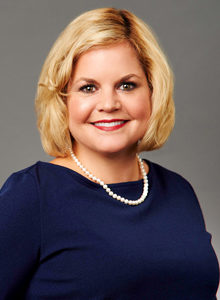
Amy Kelly, MBA, MNM – Devereux’s national director of family engagement – is the mother to Danny, Annie and Ryan. Annie is diagnosed with moderate to severe autism, verbal apraxia, intellectual and developmental disabilities, and general anxiety disorder. Amy serves as a family representative on several special needs boards in the community, locally and nationally. In addition, she participates with other patients and families in efforts supported by the Autism Care Network and serves on an executive committee for the American Academy of Pediatrics to assist children and adolescents with special needs and the importance of quality care.

Rachel Cervin Kubel, MS Ed, Devereux’s talent and learning manager, is neurodivergent and the mother to two incredible neurodiverse children. Rachel and her family find spending time with other neurodivergent families important, and she seeks out opportunities to provide a sense of community to others like her.
Devereux is one of the nation’s largest nonprofit organizations, providing services, insight, and leadership in the evolving field of behavioral healthcare. Founded in 1912, Devereux operates a comprehensive national network of clinical, therapeutic, educational, and employment programs that positively impact the lives of thousands of children, adults – and their families – every year. The organization’s unique approach combines evidence-based interventions with compassionate family engagement. With more than 6,000 employees working in programs across the country, Devereux is a trusted partner for families, schools, and communities, serving individuals in the areas of autism, intellectual and developmental disabilities, specialty mental health, education, and foster care. For more than a century, Devereux has been guided by a simple and enduring mission: To change lives by unlocking and nurturing human potential for people living with emotional, behavioral, and cognitive differences. Learn more: www.devereux.org.
References and Resources
Dunne, M. (2023, November 28). Building the Neurodiversity Talent Pipeline for the Future of Work. Retrieved from MIT Sloan Management Review: https://sloanreview.mit.edu/article/building-the-neurodiversity-talent-pipeline-for-the-future-of-work
Frueh, MD, J., & Baumer, MD, MEd, N. (2021, November 23). Harvard Health Publishing. Retrieved from https://www.health.harvard.edu/blog/what-is-neurodiversity-202111232645Lucas, G. C., Taylor, R. T., Alissa, F. D., Megan, F.-N., Sydney, K., Thomas, N.-J., . . . Jacob, J. M. (2023, January). The combination of autism and exceptional cognitive ability is associated with suicidal ideation. Neurobiology of Learning and Memory, 1-19. doi: https://doi.org/10.1016/j.nlm.2022.107698
Kõlves, K., Fitzgerald, C., Nordentoft, M., Wood, S. J., & Erlangsen, A. (2021). Assessment of Suicidal Behaviors Among Individuals With Autism Spectrum Disorder in Denmark. JAMA Network Open, 4(1), 1-17. doi:10.1001/jamanetworkopen.2020.33565
Luterman, S. (2019, March 12). Call for help: We need to address suicide risk in autistic women. Retrieved from The Transmitter: https://www.thetransmitter.org/spectrum/call-help-need-address-suicide-risk-autistic-women/
Sarris, M. (2022, September 7). Autism and the Troubling Risk of Suicide. Retrieved from SPARK for Autism: https://sparkforautism.org/discover_article/autism-suicide-risk/